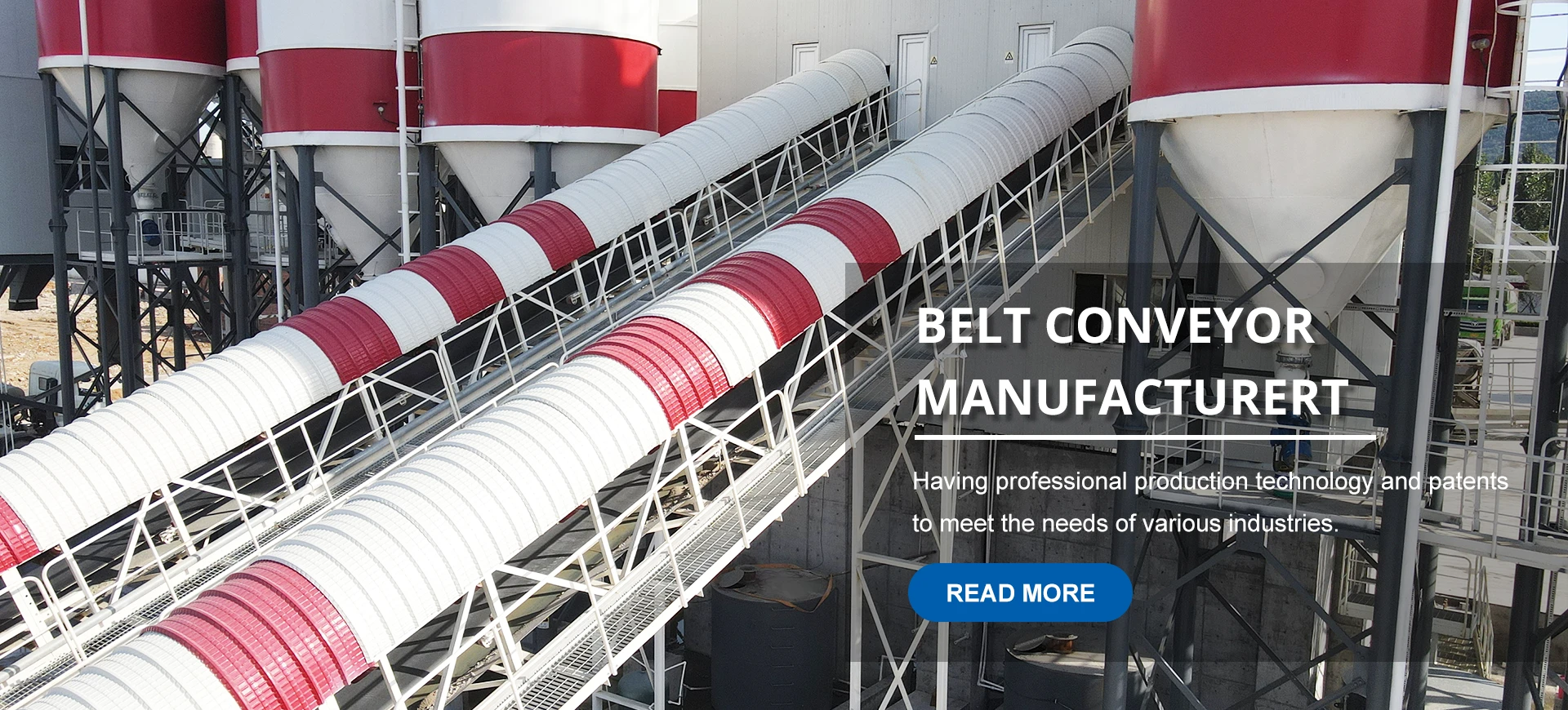
Advanced Conveyor Solutions for Bulk Material Handling In the diverse landscape of modern industrial and agricultural operations, efficient material handling is paramount to operational success and profitability. Specialized conveying systems are critical for transporting bulk materials reliably, safely, and economically. For businesses seeking robust, high-performance solutions, particularly for challenging materials, finding the right seed conveyor for sale is often a strategic imperative. This comprehensive guide delves into the technical aspects, application scenarios, and advantages of the Large Angle Corrugated Edge Conveyor, a leading solution designed to meet the rigorous demands of various industries. Industry Trends in Bulk Material Conveying The bulk material handling industry is undergoing significant transformation, driven by demands for increased efficiency, reduced operational costs, and enhanced sustainability. Key trends include: Automation and Digitization: Integration of sensors, IoT, and AI for predictive maintenance, optimized throughput, and real-time monitoring. This minimizes downtime and enhances overall system reliability. Energy Efficiency: Development of conveyor systems with lower power consumption, incorporating advanced motor controls and optimized belt designs to reduce carbon footprint and operating expenses. For instance, modern systems can achieve up to 15-20% energy savings compared to older designs. Environmental Compliance: Focus on dust suppression, noise reduction, and spillage containment to meet stringent environmental regulations and improve workplace safety. Modularity and Customization: Growing demand for adaptable and modular conveyor systems that can be easily configured or expanded to meet changing production requirements and site-specific conditions. This is particularly relevant for a specialized seed conveyor for sale , which often requires tailored specifications. Material-Specific Solutions: Increasing specialization in conveyor design to handle specific material properties, such as abrasive ores, sticky clays, or delicate agricultural products like seeds and potatoes, ensuring minimal degradation during transport. Figure 1: High-angle corrugated edge conveyor in operation, illustrating efficient material transfer. These trends collectively underscore the need for advanced conveyor technologies that offer superior performance, lower total cost of ownership, and greater operational flexibility. Technical Specifications of the Large Angle Corrugated Edge Conveyor The Large Angle Corrugated Edge Conveyor, also known as a sidewall conveyor, is an exceptionally versatile solution for bulk material handling, especially where space is constrained and steep inclination angles are required. Its design eliminates spillage and minimizes footprint compared to conventional flat belt conveyors. Core Components and Design Principles: Base Belt: A high-strength textile-reinforced rubber belt forms the foundation, providing excellent tensile strength and durability. Common plies include EP (polyester-nylon) for superior fatigue resistance. Corrugated Sidewalls: These flexible, high-elasticity corrugated edges are hot vulcanized to the base belt, forming a containment barrier that prevents material spillage even at steep angles (up to 90 degrees). The height and shape of the sidewalls are critical and chosen based on material characteristics and conveying capacity. Transverse Cleats: Also hot vulcanized, these cleats are positioned perpendicular to the belt movement. They provide additional support and prevent rollback of material, particularly effective for handling granular or lumpy materials on inclined paths. Cleat types (T, TS, C, TC, etc.) vary based on material type and angle. Frame and Idlers: The robust steel frame supports the belt, and specialized idlers (troughing, return, impact) ensure smooth operation and proper belt tracking. Product Specification Table: Large Angle Corrugated Edge Conveyor Belt (Example) Parameter Specification Notes Belt Width (B) 500mm - 2000mm (common) Customizable for specific capacities Corrugated Sidewall Height (H) 60mm - 400mm Depends on material density and lump size Cleat Height (h) 50mm - 360mm Typically 5-20mm less than sidewall height Max. Inclination Angle Up to 90 degrees Material specific, generally 30-70 degrees Tensile Strength (kN/m) 200 - 3150 kN/m DIN 22102/ISO 15236 standards Rubber Cover Compound Abrasion Resistant, Heat Resistant, Oil Resistant, Flame Retardant Specific to application environment Operating Temperature -25°C to +80°C (standard) Higher range for heat-resistant versions Belt Speed 0.8 - 4.0 m/s Optimized for material type and capacity Figure 2: Cross-section detail of a corrugated edge conveyor belt, highlighting sidewall and cleat structure. Application Scenarios The versatility of the Large Angle Corrugated Edge Conveyor makes it indispensable across a wide range of industries and specific applications. Its ability to handle materials at steep angles, often up to 90 degrees, provides significant advantages where space is at a premium or continuous vertical transport is required. Agriculture and Seed Processing: Critical for grain elevators, feed mills, and seed processing plants. A seed conveyor for sale ensures gentle yet efficient handling of delicate seeds (corn, wheat, soybeans, rice) from storage to processing, packaging, or distribution, minimizing breakage and loss. Similarly, it is ideal as a potato conveyor for sale , carefully lifting and moving produce without bruising. Mining and Quarrying: Transporting coal, ore, sand, gravel, and crushed stone from excavation sites to processing plants or loading points. The steep incline capability reduces the need for multiple transfer points and extensive civil works. Power Plants: Handling coal, ash, and other bulk fuels for energy generation. The enclosed nature of the conveyor with sidewalls also helps in dust control. Construction Industry: Moving aggregate, cement, and concrete components. Its ability to elevate materials vertically is crucial for batching plants and high-rise construction projects. Port Operations and Logistics: Loading and unloading ships and barges with bulk goods like grains, fertilizers, and minerals. A specialized transfer conveyor for sale configuration can rapidly move materials between different transport modes or storage facilities. Chemical and Fertilizer Plants: Handling powdered and granular chemicals, often requiring specific rubber compounds for corrosion resistance. Figure 3: Conveyor system handling bulk agricultural products in a processing facility. Technical Advantages and Performance The Large Angle Corrugated Edge Conveyor offers a distinct set of technical advantages that contribute to its superior performance and operational efficiency in demanding environments. Steep Angle Conveying: Capable of lifting materials at angles up to 90 degrees, significantly reducing the required ground space compared to conventional conveyors, which typically operate below 18-20 degrees. This compactness leads to substantial savings in civil engineering costs and site footprint. High Throughput and Capacity: Despite its compact design, the system can handle large volumes of bulk material. The continuous belt movement, combined with specialized cleats and sidewalls, ensures consistent material flow without interruptions, optimizing capacity per unit of time. No Spillage: The corrugated sidewalls form a continuous trough, effectively preventing material spillage even when handling fine powders or irregularly shaped lumps. This minimizes material loss, reduces cleanup costs, and improves workplace safety and environmental compliance. Energy Saving: By providing a direct, continuous path for material flow, these conveyors often require less power per ton of material conveyed compared to alternative vertical transport methods like bucket elevators, especially over long distances or at moderate angles. Reduced friction from optimized idler designs and high-quality belt compounds further enhances energy efficiency. Corrosion Resistance: Available with specialized rubber compounds for the base belt, sidewalls, and cleats that offer enhanced resistance to oils, chemicals, and corrosive agents. This extends the service life in harsh environments, such as chemical processing or fertilizer production facilities. Low Maintenance: The robust construction and fewer transfer points (compared to a series of conventional conveyors) result in reduced wear and tear, leading to lower maintenance requirements and extended operational intervals. Manufacturing Process Flow of a Seed Conveyor for Sale (Large Angle Corrugated Edge Conveyor) The production of a high-quality Large Angle Corrugated Edge Conveyor involves a meticulous, multi-stage process designed to ensure durability, performance, and adherence to international standards. Step 1: Design and Engineering Client Requirement Analysis: Understanding material type, capacity, conveying distance, angle, and environmental conditions. CAD/CAM Design: Utilizing sophisticated software for precise belt, sidewall, and cleat geometry, optimizing for load and stress distribution. Finite Element Analysis (FEA) ensures structural integrity. Material Specification: Selection of rubber compounds (e.g., SBR, NBR, EPDM) and fabric reinforcement (e.g., Polyester-Nylon, NN, CC) based on resistance to abrasion, heat, oil, or chemicals. Step 2: Component Fabrication Base Belt Production: Fabric plies are calendared with rubber layers under high pressure and temperature to form the multi-ply belt carcass. This process, including extrusion of rubber sheets, ensures uniform thickness and material distribution. Sidewall and Cleat Molding: Specialized molds are used to cast the corrugated sidewalls and transverse cleats from high-elasticity rubber compounds. Precision CNC machining may be used for mold fabrication, ensuring consistent dimensions and profiles. Step 3: Assembly and Vulcanization Pre-assembly: The molded sidewalls and cleats are precisely positioned onto the uncured base belt according to the design specifications. Hot Vulcanization: The entire assembly is placed into large vulcanizing presses. Under controlled heat (typically 140-160°C) and pressure (e.g., 1.5-2.5 MPa) for a specific duration, the rubber materials chemically bond, creating a monolithic, highly durable belt. This process ensures exceptional adhesion between components, vital for the long service life of a seed conveyor for sale . Step 4: Finishing and Quality Control Trimming and Inspection: Excess material is trimmed, and the belt undergoes rigorous visual inspection for defects, bubbles, or irregularities. Performance Testing: Critical properties such as tensile strength, adhesion between layers (ply adhesion), abrasion resistance (e.g., DIN abrasion), and elongation are tested in accordance with international standards like ISO 15236, DIN 22102, and ANSI/CEMA standards. These tests ensure the product's service life meets or exceeds expectations (typically 5-10 years depending on application intensity). This controlled manufacturing environment, coupled with adherence to ISO 9001 quality management systems, guarantees that each seed conveyor for sale (Large Angle Corrugated Edge Conveyor) meets the highest standards of reliability and performance for target industries like petrochemicals, metallurgy, and water supply & drainage, offering benefits such as energy saving and superior corrosion resistance. Figure 4: Automated manufacturing facility producing high-quality conveyor belts. Vendor Comparison: Large Angle Corrugated Edge Conveyor vs. Traditional Systems When considering a seed conveyor for sale or any bulk material handling system, a thorough comparison of available technologies is crucial. The Large Angle Corrugated Edge Conveyor offers distinct advantages over traditional systems in specific applications. Comparative Analysis Table Feature Large Angle Corrugated Edge Conveyor Traditional Flat Belt Conveyor Bucket Elevator Max. Inclination Angle Up to 90 degrees Typically 15-20 degrees Typically 90 degrees (vertical) Material Spillage Minimal to None (due to sidewalls) Moderate to High (especially at inclines) Low (enclosed system) Footprint Very Compact Requires significant length for elevation Compact (vertical stack) Material Fragility Handling Good (continuous, gentle lift) Good (if flat and horizontal) Fair to Poor (potential for impact/crushing) Maintenance & Wear Parts Moderate (belt life, idlers) Low to Moderate (belt life, idlers) High (buckets, chains/belts, pulleys) Number of Transfer Points Minimal (often one continuous path) Multiple for significant elevation change Minimal (infeed/discharge) Cost Efficiency (CAPEX vs. OPEX) Higher initial CAPEX, lower OPEX due to less space, minimal spillage, lower energy for certain setups. Lower initial CAPEX, higher OPEX for large elevations (more transfers, space). Moderate CAPEX, moderate to higher OPEX (maintenance, energy for high lifts). This comparison highlights that while each conveyor type has its niche, the Large Angle Corrugated Edge Conveyor excels in situations demanding steep elevation, minimized footprint, and gentle handling of materials with reduced spillage. Vendors specializing in this technology often hold ISO 9001 certifications and extensive client portfolios, underscoring their authoritativeness. Customized Solutions Recognizing that no two industrial applications are identical, leading manufacturers of seed conveyor for sale systems offer extensive customization options. This bespoke approach ensures optimal performance and seamless integration with existing plant infrastructure. Belt Material and Compound: Tailored rubber compounds for specific challenges: High Abrasion Resistance: For minerals, aggregates. Heat Resistance: For hot clinker, cement, or foundry sand (up to 200°C). Oil and Chemical Resistance: For specific industrial chemicals, fertilizers. Food Grade: Non-toxic compounds for agricultural products like seeds or potatoes, adhering to FDA/EU regulations. Sidewall and Cleat Configurations: Varied heights, shapes, and spacing of sidewalls and cleats to optimize for material density, lump size, and conveying angle, crucial for effective potato conveyor for sale systems. Frame and Structural Design: Custom engineering of the conveyor frame, including material (carbon steel, stainless steel), coatings (galvanization, specialized paints), and support structures to fit specific site layouts and environmental conditions (e.g., corrosive atmospheres, heavy-duty applications). Drive Systems: Selection of motor, gearbox, and control systems (VFDs) optimized for power efficiency, soft starts, and precise speed control, enhancing the versatility of a transfer conveyor for sale . Ancillary Equipment: Integration of specialized feeders, discharge chutes, belt cleaners, covers, and dust suppression systems to create a complete, enclosed material handling solution. Application Case Studies Case Study 1: Large-Scale Seed Processing Facility A major agricultural cooperative needed to upgrade its internal transport system for corn and soybean seeds. Their existing flat belt conveyors required multiple transfer points and occupied significant floor space, leading to frequent spillage and seed damage. Solution Implemented: Installation of two Large Angle Corrugated Edge Conveyors (800mm belt width, 200mm sidewall height, food-grade rubber compound) to transport seeds from storage silos to cleaning and packaging lines at an angle of 45 degrees over a 30-meter vertical rise. Results: Reduced Footprint: Saved approximately 60% of floor space compared to the previous system. Minimized Seed Damage: Achieved less than 0.5% seed breakage, a significant improvement over the previous 3-5%. Increased Throughput: Enhanced capacity by 20% due to continuous, spill-free operation. Case Study 2: Quarry Aggregates Handling A aggregates quarry faced challenges in elevating crushed stone (up to 100mm lump size) from the primary crusher to screening towers at a height of 50 meters. The existing bucket elevator suffered from frequent breakdowns and high energy consumption. Solution Implemented: A Heavy-Duty Large Angle Corrugated Edge Conveyor (1200mm belt width, 300mm sidewall, abrasion-resistant rubber) was installed at a 60-degree incline, designed for 800 TPH capacity. Results: Enhanced Reliability: Uptime increased by 25%, significantly reducing maintenance costs and production delays. Energy Savings: Achieved approximately 18% reduction in power consumption compared to the previous bucket elevator, leading to lower operating expenses. Reduced Noise and Dust: The enclosed nature of the belt system, combined with custom covers, significantly reduced ambient noise and dust emissions, improving workplace conditions. Figure 5: Large-scale conveyor system in a demanding industrial environment. Trustworthiness & Support: FAQ, Lead Time, Warranty, Customer Support Frequently Asked Questions (FAQ) What materials can a Large Angle Corrugated Edge Conveyor handle? These conveyors are highly versatile and can handle a wide range of bulk materials including seeds, grains, potatoes, coal, ore, sand, gravel, cement, chemicals, fertilizers, and even sticky or abrasive materials. The choice of rubber compound and cleat design is customized to the specific material properties. What is the typical service life of the conveyor belt? With proper design, installation, and maintenance, a high-quality Large Angle Corrugated Edge Conveyor belt can have a service life of 5 to 10 years or more. Factors such as material abrasiveness, operating temperature, belt speed, and environmental conditions significantly influence longevity. Regular inspections and timely replacements of wear parts extend life. How important is customization for a seed conveyor for sale ? Customization is critical. For delicate items like seeds, ensuring the correct cleat and sidewall design, appropriate belt speed, and food-grade materials prevents damage and maintains product quality. Tailoring the conveyor to specific capacity needs, incline angles, and environmental factors maximizes efficiency and minimizes operational issues, making it a truly optimized seed conveyor for sale . Lead Time and Fulfillment Lead times for Large Angle Corrugated Edge Conveyors typically vary based on the level of customization and project scope. Standard Components: 4-6 weeks for manufacturing and preparation. Customized Systems: 8-16 weeks, depending on design complexity, material sourcing, and specialized fabrication. We provide comprehensive project management, including detailed timelines, regular progress updates, and efficient logistics for on-time delivery worldwide. Warranty Commitments All our Large Angle Corrugated Edge Conveyor belts and associated components come with a standard 12-month warranty against manufacturing defects from the date of installation or 18 months from the date of shipment, whichever comes first. Extended warranty options are available for critical applications. Our commitment to quality is backed by ISO 9001 certification. Customer Support Our dedicated customer support team provides comprehensive after-sales services to ensure the continuous and efficient operation of your conveyor system: Technical Assistance: 24/7 technical hotline and online support for troubleshooting and operational queries. Spare Parts Availability: Readily available inventory of critical spare parts to minimize downtime. On-site Support & Training: Experienced engineers can provide on-site installation supervision, commissioning, and operational training for your personnel. Maintenance Contracts: Customizable maintenance contracts to ensure peak performance and extend asset life. Conclusion For industries demanding robust, space-efficient, and high-capacity bulk material handling, the Large Angle Corrugated Edge Conveyor represents a cutting-edge solution. Its technical advantages, including the ability to convey at steep inclinations with minimal spillage, coupled with options for customized solutions and strong after-sales support, make it an indispensable asset. When sourcing a seed conveyor for sale , or systems for a potato conveyor for sale or a specialized transfer conveyor for sale , prioritizing vendors with proven expertise and a commitment to quality ensures a reliable, efficient, and long-lasting investment. References ISO 15236-1:2016. Conveyor belts with textile carcasses – Specification for dimensions, tensile strengths and cover grades. International Organization for Standardization. CEMA (Conveyor Equipment Manufacturers Association). Belt Conveyors for Bulk Materials. 7th Edition. DIN 22102: Conveyor belts with textile plies for use in general purpose applications. Deutsches Institut für Normung. Wood, P. A. (2018). Bulk Materials Handling: The Practical Guide to Plant Design and Operation. CRC Press.